

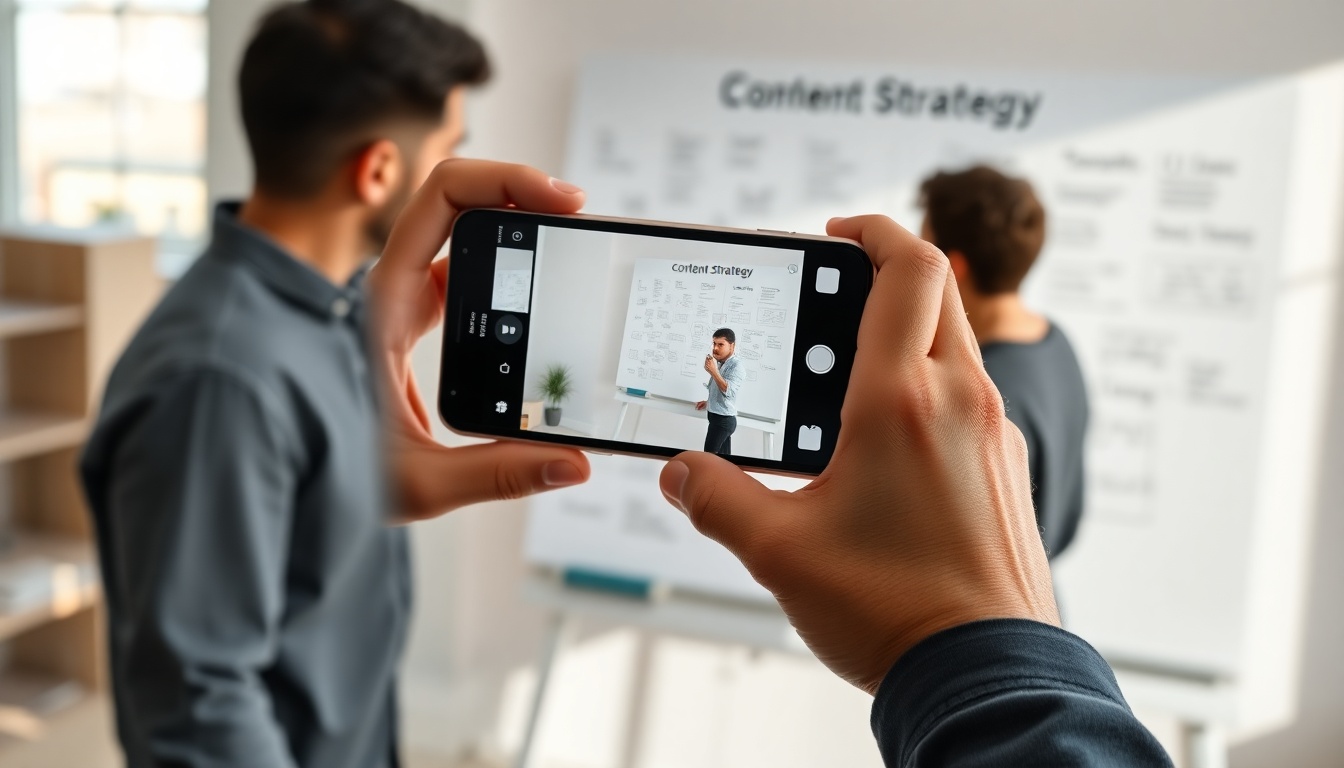
Stop Wasting Time on LinkedIn Video
You’ve seen the stats. You know video gets more reach. Yet, your views are stuck in double digits, and your content feels like shouting into a void. The platform is saturated with noise, and your brilliant message is getting lost. This isn’t about posting more; it’s about posting with precision.
After 25 years in the digital trenches, I’ve seen every trend come and go. LinkedIn video isn’t a trend; it’s the new core of B2B communication. But without a framework, you’re just adding to the clutter. Let’s fix that.
The Core Problem: Aimless Creation
Most professionals fail at LinkedIn video for one simple reason: they start with the camera, not with the strategy. They film a quick thought, add some captions, and hit post. This is content for content’s sake. It lacks intent, a target audience, and a measurable goal.
The second major failure is inconsistency. One day it’s a talking head, the next a screen share, then radio silence for two weeks. This confuses the algorithm and, more importantly, your audience. They never know what to expect from you, so they stop expecting anything at all.
A founder client of mine was posting brilliant, detailed carousel posts about SaaS metrics. They got decent engagement, but his business growth was flat. We shifted to a video framework. Instead of writing, he started recording 90-second videos breaking down one metric per week, using a simple whiteboard. In three months, his video views became his top lead source. The content was the same, but the format created familiarity and trust that text simply couldn’t match.
The 4-Pillar LinkedIn Video Framework
This is not theory. This is a battle-tested system. Implement these four pillars in sequence to build a video strategy that compounds interest and authority over time.
Pillar 1: The Foundation – Define Your “One Thing”
You cannot be the expert on everything. Your video content must orbit a single, core theme. Are you the Go-To-Market Strategist for Fintech? The Product Leadership Coach? Nail this down. Every video should reinforce this central expertise.
Pillar 2: The Content Mix – The 3-1-1 Rule
Balance is key. For every week, plan: 3 Educational pieces (how-tos, frameworks, breakdowns), 1 Insight piece (industry trend, reaction to news), and 1 Personal piece (story, lesson learned, behind-the-scenes). This mix provides value, relevance, and relatability.
Pillar 3: The Production Formula – Keep It Simple
Forget studio lights. Use natural light from a window. Your smartphone camera is enough. Use a lapel mic for clear audio. The formula is: Strong hook in the first 3 seconds + Single key message + Clear call-to-action. Keep videos between 60-90 seconds for maximum completion rates.
Pillar 4: The Distribution Engine – Beyond the Post
Posting is just the start. You must engage in the comments for the first 60 minutes. Share the video link in relevant niche communities (Slack, Discord). Repurpose the transcript into a newsletter snippet or a carousel post. Squeeze every drop of value from your effort.
“LinkedIn video isn’t about virality; it’s about velocity. It’s the fastest vehicle we have to build know, like, and trust at scale in the professional world. A structured framework turns random acts of content into a predictable growth engine.”
— Abdul Vasi, Digital Strategist
Amateur vs. Pro: The Video Mindset Gap
| The Amateur Approach | The Pro Framework |
|---|---|
| Films whatever comes to mind in the moment. | Plays a weekly “content mix” from a themed calendar. |
| Posts sporadically, creating audience confusion. | Commits to a consistent schedule (e.g., 3x/week). |
| Focuses on vanity metrics (views, likes). | Tracks meaningful metrics (profile visits, connection requests, lead gen). |
| Posts and disappears, ignoring comments. | Treats comments as the primary engagement zone, fostering community. |
| Uses video as a standalone tactic. | Integrates video as the core of a multi-channel content engine. |
LinkedIn Video Framework FAQ
1. Do I need expensive equipment to start?
Absolutely not. A modern smartphone, natural light, and clear audio (a $20 lapel mic) are 95% of what you need. Quality of idea trumps quality of equipment on LinkedIn.
2. How long should my videos be?
Aim for 60-90 seconds. This is the sweet spot for delivering one clear, impactful message while maximizing watch-through rates. The algorithm rewards retention.
3. What’s the best time to post?
Test for your audience, but general B2B peaks are Tuesday-Thursday, 8-10 AM and 5-7 PM in your target audience’s timezone. Consistency in schedule matters more than perfect timing.
4. Should I use native video or a link to YouTube/Vimeo?
Always upload natively to LinkedIn. The platform’s algorithm prioritizes and serves native video content far more aggressively than external links.
5. How do I come up with consistent video ideas?
Your idea bank is your daily work. Client questions, industry news, a process you refined, a book you’re reading. Document your expertise as you live it. Use the 3-1-1 Mix to categorize these ideas.
Building Authority, One Frame at a Time
The power of this framework is its simplicity and repeatability. It removes the daily guesswork and replaces it with a professional system. This isn’t about becoming an influencer; it’s about becoming the undeniable authority in your specific space.
Your competitors are still writing posts. By implementing a structured video framework, you are not just communicating—you are demonstrating modern leadership. You are showing you understand the pace and preference of today’s decision-makers. Start with Pillar 1 this week. Define your “One Thing” and build from there.
