

Quick Answer:
A digital marketing consultant in the Middle East in 2026 is not just a service provider; they are a cultural and strategic partner. You need someone who understands the region’s unique blend of hyper-connectivity, local platform dominance, and deep-rooted business customs. The right consultant will help you navigate this complexity to build genuine brand authority, not just run ads, and the search for one should take 4-6 weeks of careful vetting.
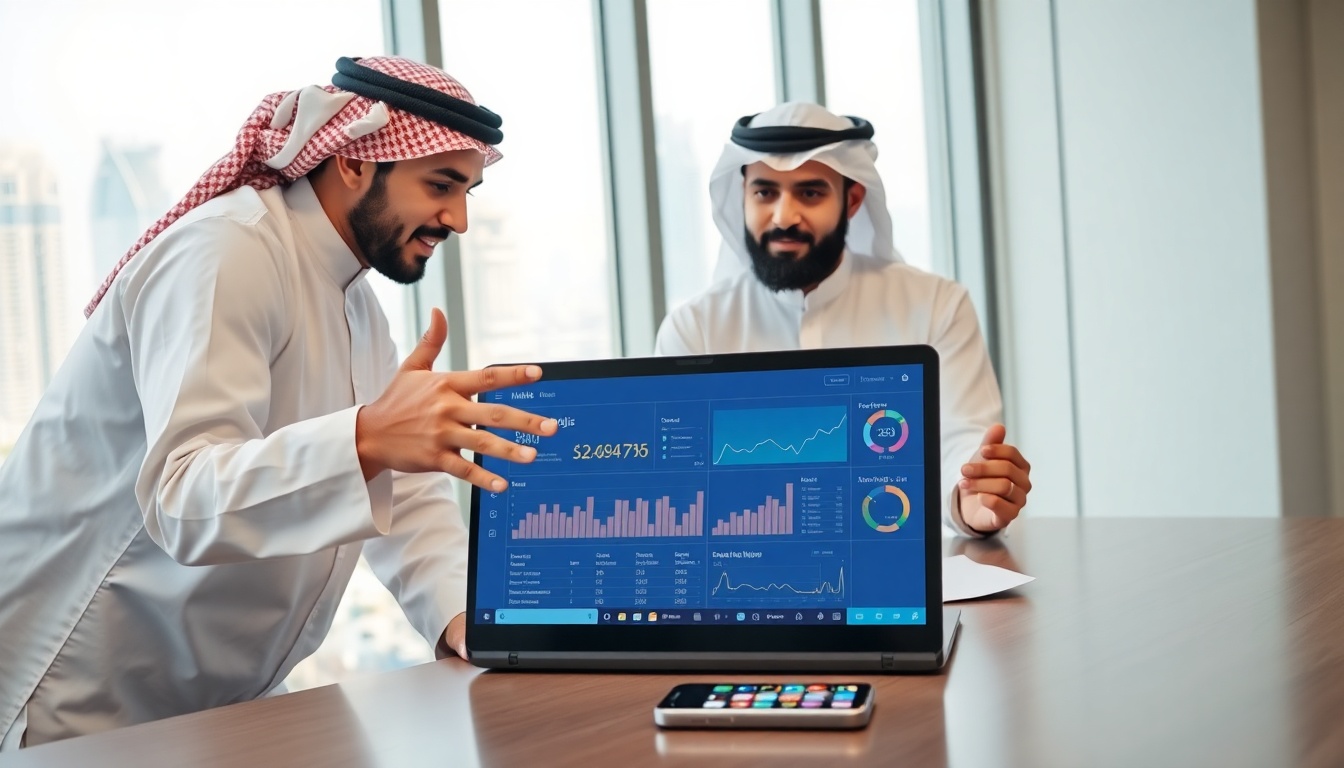
I was in a meeting with a family-owned retail group in Riyadh last year. The founder pushed his tablet across the table, showing me a beautiful, expensive Instagram campaign. “We spent a fortune,” he said. “It got likes. But our stores are empty.” He wasn’t asking about algorithms or click-through rates. His real question was far more profound: “How do I talk to my customers here, now?” This is the core tension every business leader in the region feels. Hiring a digital marketing consultant in the Middle East has become table stakes, but most are hiring for the wrong reasons and measuring the wrong things. You are not buying software or ad space. You are buying a guide through a landscape where global rules often fail and local intuition is everything.
The Real Problem
Here is what most people get wrong about hiring a digital marketing consultant in the Middle East. They think they are buying a technical skill setsomeone to “do the Google Ads” or “run the Snapchat.” The real problem is not a lack of tactical expertise. It is a fundamental misunderstanding of what marketing means in this context.
The region operates on a high-trust, relationship-first model. A campaign that works in London or New York can feel transactional and cold in Dubai or Kuwait. I have seen consultants parachute in with global “best practices” and utterly miss the nuance. They’ll chase vanity metrics from expat communities while completely missing the core local audience. Or they’ll treat KSA, the UAE, and Egypt as one monolithic market.
The worst mistake is assuming digital replaces traditional relationship-building. It amplifies it. A consultant who doesn’t grasp that will give you great-looking reports with zero bottom-line impact. They might get you followers, but they won’t build the authority that makes a family decide to buy from you versus the competitor they’ve known for generations. The technical part is easy. The cultural and strategic bridge-building is the actual job.
A client in Doha had a luxury e-commerce site. His previous agency was obsessed with Facebook conversion campaigns. The numbers looked okay, but growth stalled. When we dug in, we found his actual customersaffluent Qatari womenwere not deciding on Facebook. They were using Instagram and TikTok for discovery, but the final purchase decision was happening in private WhatsApp groups with friends and family. We shifted the entire strategy. We stopped pushing hard sales online and started creating stunning, shareable content designed explicitly for those private chats. We equipped brand ambassadors with assets to share. Sales didn’t just grow; customer lifetime value tripled because we tapped into the trusted, closed-circle recommendation engine that was driving decisions all along.
What Actually Works
So what should you look for? First, prioritize strategic curiosity over a pre-packaged “solution.” A good consultant will spend more time asking about your customers’ daily habits than talking about their own tools. They should want to know which social platform your clients use with close friends versus publicly. They should ask about Ramadan planning in January.
Second, demand a platform-agnostic approach. The Middle East has unique winners. Snapchat is a powerhouse in Saudi Arabia. Telegram channels drive massive news and commerce. WhatsApp is the operating system for business communication. A consultant glued to Meta’s ecosystem is blind to 70% of the conversation. They need to build strategies that move with the audience, not force the audience onto familiar platforms.
Finally, look for a partner who measures what matters. Impressions and likes are currency for consultants, not for you. You need to track metrics tied directly to business health: customer acquisition cost within the region, lead quality from local sources, and most importantly, brand sentiment shift in local forums and groups. The work should build a tangible asset: your brand’s reputation and authority in a specific Middle Eastern market. That is what delivers value long after a campaign ends.
“The best digital strategy in the Middle East feels less like a broadcast and more like being invited into the majlis. It’s about earning a place in the room where real decisions are made, not just shouting from the street.”
Abdul Vasi, Digital Strategist
Common Approach vs Better Approach
| Common Approach | Better Approach for the Middle East |
|---|---|
| Treating the GCC as one single market. | Developing nuanced strategies for Saudi, UAE, Qatar, etc., recognizing vast cultural and consumer differences. |
| Relying solely on Facebook/Instagram and Google Ads. | Building an integrated presence across regional platforms like Snapchat, Telegram, and WhatsApp Business. |
| Running continuous campaigns with no regard for cultural calendar. | Planning the entire year around Ramadan, Eid, National Day, and seasonal shifts like summer exodus. |
| Using globalized content with simple translation. | Creating original content with local dialects, humor, references, and values at its core. |
| Focusing report on clicks, impressions, and global ROAS. | Reporting on local brand sentiment, share of voice in regional forums, and quality of leads from local sources. |
Looking Ahead to 2026
By 2026, the role of a digital marketing consultant here will evolve in three key ways. First, hyper-localization will be non-negotiable. We are past “GCC strategies.” Consultants will need deep data and networks in specific cities or even neighborhoods to be effective. The buying habits in Al Olaya, Riyadh, are different from Jumeirah, Dubai.
Second, the rise of local commerce platforms and super-apps will fragment the landscape further. The consultant’s job will be to navigate this fragmentation, choosing the right channels for commerce, community, and service. It will be less about big brand campaigns and more about seamless integration into local digital ecosystems.
Finally, AI-powered tools will handle most of the tactical optimization. This will free up the true consultant to focus on what machines cannot do: building human trust, understanding subtle cultural cues, and forging strategic partnerships. The value will shift entirely from execution to insight and relationship brokerage. The consultants who survive will be strategic advisors, not campaign managers.
Frequently Asked Questions
Q: How much does a digital marketing consultant in the Middle East cost?
Fees vary wildly, from $2,000 to $20,000+ per month. Don’t focus on the rate; focus on the value model. A good consultant should tie their scope to specific business outcomes, not just hours or ad spend. A retainer for strategic guidance plus performance-based incentives is a model that aligns interests.
Q: Should I hire a local consultant or an international agency?
This is the crucial choice. Large international agencies bring brand name but often lack granular local insight. A seasoned local consultant provides deep cultural fluency and networks. For most businesses aiming to grow meaningfully in the region, a consultant with on-the-ground experience and a strategic mindset will deliver better results.
Q: What are the key platforms I should be on in the Middle East?
It depends entirely on your audience and country. Generally, Instagram is universal for visual brands. Snapchat is essential for KSA’s youth. WhatsApp is critical for CRM and sales. LinkedIn works for B2B. TikTok is huge for Gen Z. A consultant’s first task is to identify where your specific customers spend their time and trust.
Q: How long does it take to see results from digital marketing here?
You can see traffic changes in 30-60 days. However, building genuine brand authority and trust that translates to sustainable sales takes 6-12 months of consistent, culturally-aligned effort. Anyone promising “viral” success in weeks is likely using short-term tactics that damage long-term reputation.
Q: What’s the biggest mistake businesses make when starting?
The biggest mistake is copying what worked in the West or for a competitor. They launch a direct-response ad campaign in a market that values relationship-building. Start with listening and understanding. Invest in building community and authority first. The sales will follow from a position of trust, not interruption.
Look, finding the right digital marketing consultant in the Middle East is a strategic hire, not a procurement task. It will define your ability to connect, grow, and compete for the next decade. The landscape is moving away from global homogenization and towards deeper local specificity. Your digital presence needs to be as nuanced and respected as your offline reputation.
The goal is not to find someone who can use the tools. It is to find a partner who can help you build a digital footprint that feels authentic, respected, and inevitable to your customers here. That requires a blend of strategic patience, cultural insight, and a focus on long-term value over short-term noise. Choose someone who understands that the medium is digital, but the message must be profoundly human.
