

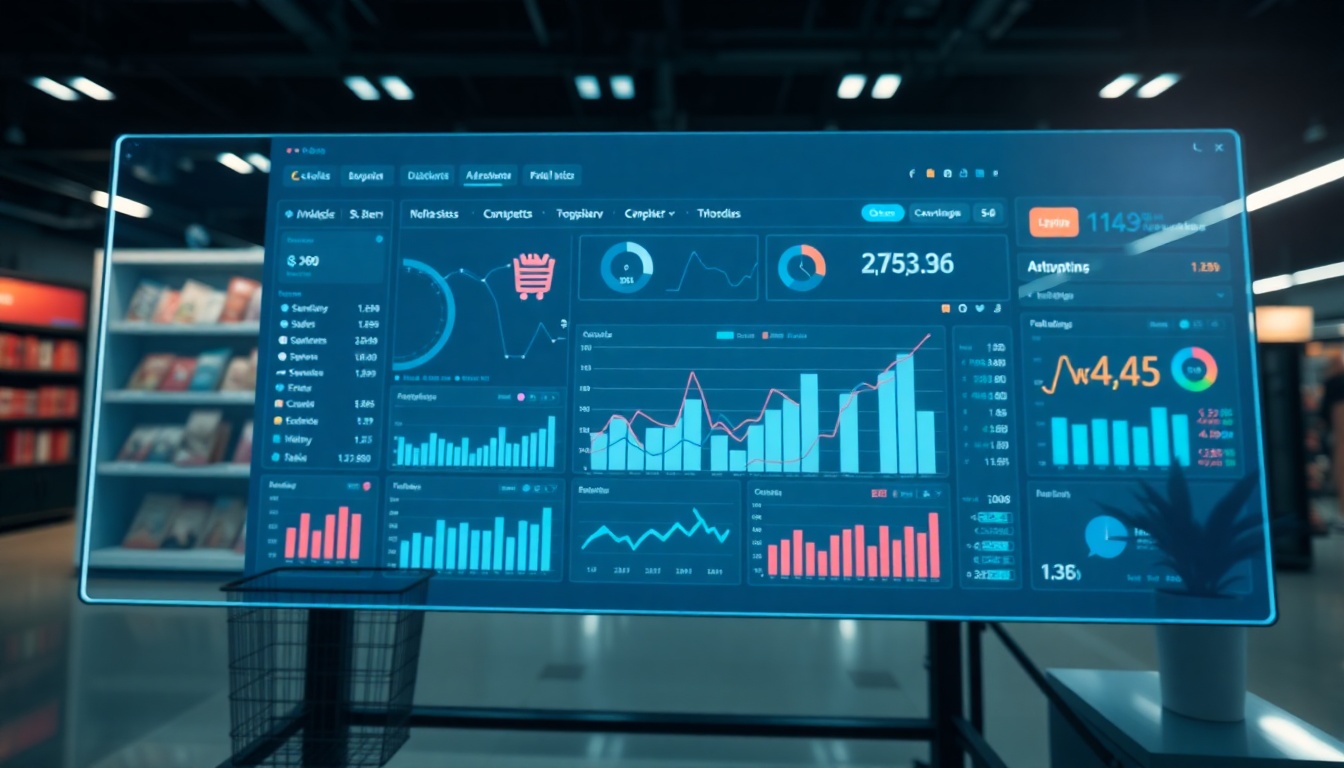
Boost Sales with B2C E-commerce Solutions
HOOK INTRODUCTION
Are you watching your online sales plateau while your competitors seem to sprint ahead? You’ve built a website, listed your products, and maybe even run some ads, but the checkout cart remains stubbornly empty. This frustrating gap between traffic and revenue is the silent killer of countless online businesses today.
The digital marketplace is louder and more crowded than ever. Simply having an online store is no longer a competitive advantage; it’s the absolute baseline. Customers now expect seamless, intuitive, and personalized shopping experiences from the moment they land on your page to the moment their order arrives at their door.
This is where strategic B2C e-commerce solutions come in. They are not just about the platform you use, but the holistic system you build to attract, engage, and convert visitors into loyal, repeat customers. Let’s move beyond the basics and unlock the proven strategies that drive real, sustainable growth.
THE PROBLEM
Many business owners mistakenly believe that launching an e-commerce site is the finish line. In reality, it’s just the starting block. The core challenge lies in the disconnect between a business’s offer and the modern consumer’s expectations. You might be facing a high bounce rate, where visitors leave your site within seconds.
Perhaps your add-to-cart numbers look good, but your actual purchase conversions are dismal. This often points to a complicated checkout process, unexpected costs like shipping, or a lack of trust signals. Other common pain points include managing inventory across channels, creating effective product content, and turning a one-time buyer into a lifelong fan.
These aren’t minor operational hiccups; they are systemic issues that drain marketing budgets and cap your revenue potential. Without a cohesive strategy that addresses the entire customer journey, you’re essentially pouring water into a bucket full of holes. The market is too competitive to rely on a “build it and they will come” mentality.
PERSONAL STORY
THE STRATEGY/SOLUTION
1. Architect a Frictionless Conversion Funnel
Your website’s navigation and checkout flow must be idiot-proof. Every extra click, every confusing form field, is an opportunity for a customer to abandon their cart. The goal is to make the path to purchase as intuitive and fast as possible. Analyze your user flow with tools like heatmaps to identify where people are getting stuck.
Implement a one-page checkout if your platform allows it. Offer multiple payment gateways, including digital wallets like Apple Pay and Google Pay, which can significantly boost conversion on mobile. Always be transparent about costs—show shipping fees and taxes early, not as a last-minute surprise at checkout.
Practical Tip: Conduct a regular “mystery shopper” audit on your own site. Time how long it takes to find a specific product and complete the purchase. If it takes more than three minutes, you have serious friction to address.
2. Master Data-Driven Personalization
Generic marketing blasts are a waste of money. Modern B2C e-commerce solutions thrive on personalization. Use customer data to segment your audience based on behavior, purchase history, and browsing patterns. Then, tailor their experience accordingly. This goes beyond just inserting their first name in an email.
Display dynamic content on your homepage, like “Recommended for You” or “Continue Browsing.” Send automated abandoned cart emails with the exact items they left behind. Create post-purchase email sequences that recommend complementary products. This level of relevance dramatically increases engagement and average order value.
Practical Tip: Start simple. Implement a pop-up or on-site quiz to capture customer preferences (e.g., “What are you shopping for today?”). Use this initial data to customize the product grids they see immediately, creating an instant personalized experience.
3. Optimize for Profit, Not Just Traffic
Driving traffic is easy; driving profitable traffic is the real game. Shift your focus from vanity metrics like page views to key performance indicators that directly impact revenue: Customer Lifetime Value (LTV), Conversion Rate, and Average Order Value (AOV). Your marketing spend should be evaluated against these metrics.
Upselling and cross-selling are your most powerful profit levers. Offer product bundles, “complete the look” suggestions, or tiered pricing (e.g., “Buy 2, Save 10%”). Implement a loyalty program that rewards repeat purchases, not just sign-ups. This turns customers into assets.
Practical Tip: Before launching a new ad campaign, calculate your break-even AOV. Know exactly how much each customer needs to spend for that channel to be profitable. Structure your on-site promotions to meet or exceed that number.
4. Build an Omnichannel Presence with a Unified Backend
Your customers shop on marketplaces, social media, and your website. A modern B2C e-commerce solution must provide a consistent brand experience across all these touchpoints. However, managing inventory and orders separately for each channel is a recipe for overselling and operational chaos.
The solution is an integrated platform or a central inventory management system that syncs stock levels in real-time across your website, Amazon, eBay, and social storefronts like Instagram Shops. This ensures you never sell a product you don’t have and allows you to fulfill orders from the most efficient location.
Practical Tip: Don’t try to be everywhere at once. Start by integrating your primary online store with one major marketplace. Master the logistics and data flow between those two channels before expanding to others.
EXPERT QUOTE
The most successful e-commerce businesses aren’t those with the biggest budgets, but those with the most clarity. They understand that every pixel on their site, every line in an email, is either building trust or destroying it. Your primary job is to systematically remove doubt and deliver undeniable value at every single step.
— Abdul Vasi, Digital Strategist
COMPARISON TABLE
| Aspect | Traditional Approach | Modern B2C E-commerce Solution |
|---|---|---|
| Customer Experience | Static, one-size-fits-all website for all visitors. | Dynamic, personalized journey based on user behavior and data. |
| Checkout Process | Multi-page, requiring account creation, often with hidden costs. | Streamlined one-page checkout, guest options, full cost transparency upfront. |
| Inventory & Sales Channels | Managed manually in silos (website, Amazon, etc.), leading to errors. | Unified backend with real-time sync across all platforms (omnichannel). |
| Marketing Focus | Broad campaigns aimed at top-of-funnel awareness and traffic. | Retention-focused, using LTV and AOV to drive profitable, segmented campaigns. |
| Technology Mindset | Set-and-forget; the website is a static digital brochure. | Continuous optimization based on analytics, A/B testing, and user feedback. |
FAQs
What’s the single most important thing I should fix on my e-commerce site first?
Without a doubt, optimize your site speed and mobile experience. If your pages load slowly or are difficult to navigate on a phone, you are losing over half of your potential customers before they even see your products. This is a foundational issue that affects everything else.
How much do you charge compared to agencies?
I charge approximately 1/3 of what traditional agencies charge, with more personalized attention and faster turnaround. My model is built on efficiency and direct collaboration, eliminating the account manager layers and overhead that inflate agency pricing.
Is it worth selling on marketplaces like Amazon, or should I focus only on my own website?
You should do both, but with a strategy. Use marketplaces as a “discovery channel” to acquire new customers at a lower initial cost due to their built-in traffic. Then, use packaging inserts, email follow-ups, and loyalty incentives to migrate those customers to your own website where you control the relationship and the margins.
How long does it take to see results from implementing these B2C e-commerce solutions?
Technical fixes like site speed can show results in days through reduced bounce rates. Strategic changes like funnel optimization and personalization typically need a full business cycle (90 days) to gather enough data and show statistically significant improvements in conversion rate and average order value.
Do I need a huge budget for personalization technology?
No. Many modern e-commerce platforms have robust personalization features built-in or available via affordable apps. You can start with rule-based personalization (e.g., show winter gear to visitors from cold climates) without needing a complex AI system. Start simple, prove the ROI, and then scale.
CONCLUSION
Boosting sales in today’s B2C e-commerce landscape is not about finding a magic bullet. It’s about implementing a cohesive system of solutions that work together. This system prioritizes the customer’s experience, leverages data for personalization, operates efficiently across channels, and relentlessly optimizes for profitability. The gap between a struggling store and a thriving one is often just a few strategic adjustments.
The journey begins with an honest audit of your current funnel. Identify the single biggest point of friction and eliminate it. Then, move on to the next. This process of continuous, incremental improvement is what compounds into market-leading growth. Remember, your competitors are likely facing the same challenges you are; the business that acts strategically and decisively gains the advantage.
Stop viewing your online store as a static catalog. Start treating it as a dynamic, data-driven engine for growth. By embracing these modern B2C e-commerce solutions, you transform from a passive retailer into an active growth driver, building not just transactions, but lasting customer relationships and a formidable, scalable business.
