

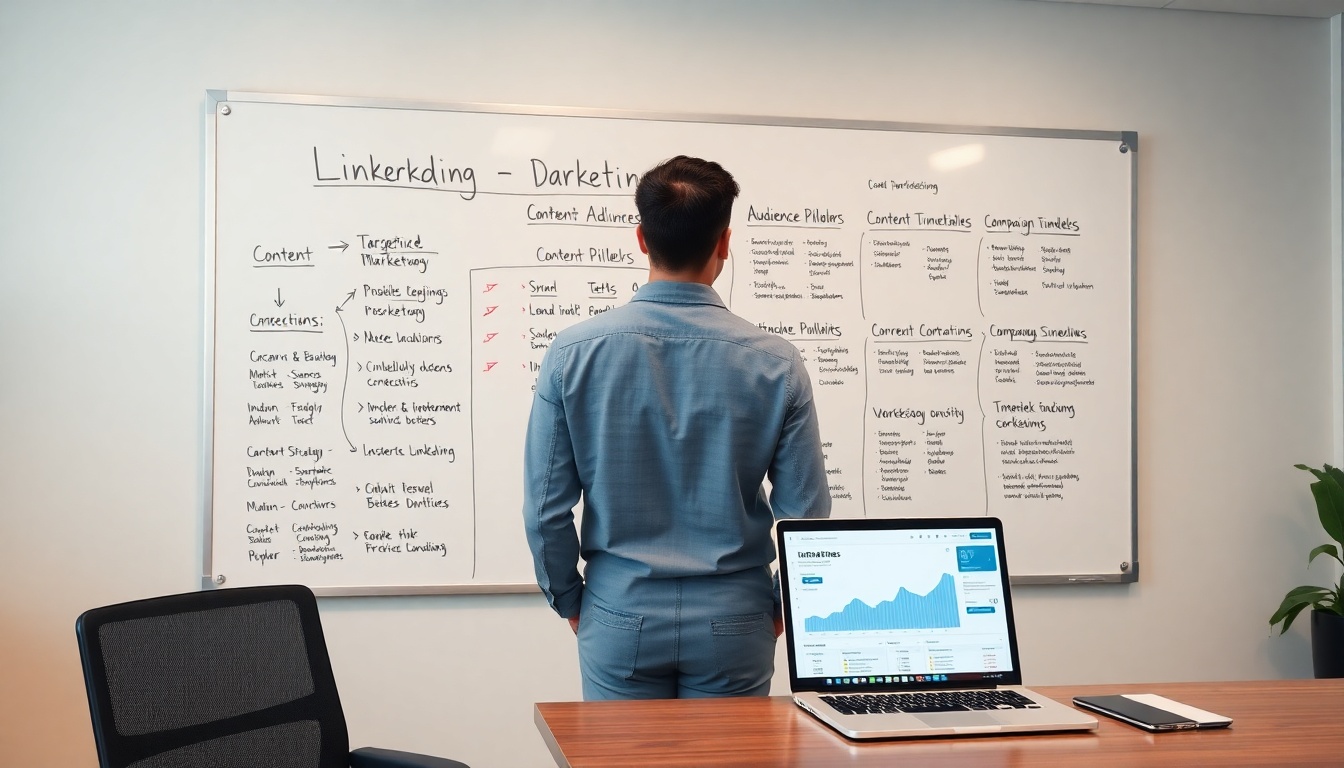
The Dubai LinkedIn Mirage: Why Your “Strategy” Isn’t Working
You’re posting. You’re connecting. You’re even getting a few likes. But your phone isn’t ringing with high-value leads from the UAE market. The truth is, most LinkedIn activity in Dubai is just digital noise—a performance that looks busy but yields zero ROI. The platform is saturated with hopeful posts and generic sales pitches that get lost in the feed.
In a city built on relationships and high-stakes deals, treating LinkedIn like a social bulletin board is a critical mistake. The real players aren’t just networking; they are executing a precise, data-driven campaign to own their niche. Your profile isn’t a CV; it’s your digital headquarters in the region.
The Core Problem: Activity vs. Strategy
Business owners and executives in Dubai fail at LinkedIn for one fundamental reason: they confuse activity with strategy. Random connection requests and sporadic company updates are not a plan. There is no alignment between your content, your target audience’s professional pains, and a clear path to conversion.
Without a strategic framework, you are essentially shouting into a crowded room at a Dubai conference, hoping the right person hears you. The platform’s algorithm rewards consistent, valuable engagement, not occasional broadcasts. This lack of direction is why most “marketing” efforts die quietly.
I met a founder of a FinTech startup in DIFC. He was brilliant, with a revolutionary product. For six months, his junior staff ran their LinkedIn—posting tech news and product features. Result? Three unqualified leads. We audited his profile: it spoke to engineers, not the CFOs and regulators who held the budget. We rebuilt his entire narrative around compliance efficiency and ROI for financial leaders. Within 90 days, his content was sparking conversations with decision-makers from Abu Dhabi to Riyadh. The tool hadn’t changed; the strategic targeting had.
The 4-Pillar Dubai LinkedIn Strategy
Forget vague advice. Here is the actionable framework I use with clients to dominate their industry on LinkedIn in the UAE and GCC.
1. Profile as a Power Base
Your profile must immediately answer “What can you do for me?” for your ideal client. Every element—headline, banner, About section—must be engineered for conversion. Use keywords like “Dubai,” “UAE,” and your niche. Your banner isn’t for a skyline photo; it’s prime advertising space for your core offer.
2. Content with Surgical Precision
Stop talking about yourself. Start diagnosing your audience’s problems. Create content pillars that address specific challenges faced by professionals in the GCC—be it regulatory shifts, market entry, or leadership. Mix deep-thought articles with short, punchy insights and video. Consistency builds authority.
3. Strategic Engagement, Not Mass Connection
Quality over quantity, always. Use LinkedIn Sales Navigator to identify and engage with 10-15 key prospects per week. Comment thoughtfully on their posts, share relevant insights, and build genuine rapport before any pitch. In Dubai’s relationship-driven market, this is how trust is built.
4. Measure What Actually Matters
Track connection growth, but obsess over profile view rates, engagement on strategic posts, and, ultimately, lead generation. Use UTM parameters to track website traffic from LinkedIn. Data tells you what’s working and kills what’s not.
“In Dubai, LinkedIn isn’t a social network; it’s a boardroom. You’re not building a community of friends; you’re assembling a coalition of clients, partners, and advocates. The companies that win treat their presence with the same seriousness as their corporate headquarters.”
— Abdul Vasi, Digital Strategist
Amateur Hour vs. Professional Execution
| The Amateur Approach | The Pro Strategy |
|---|---|
| Posts random company updates and product photos. | Publishes insight-driven content on industry challenges. |
| Sends generic connection requests to thousands. | Uses targeted lists and personalizes every invitation. |
| Profile is an online resume with a Dubai location tag. | Profile is a client-focused value proposition. |
| Measures success by follower count. | Measures success by qualified leads and meetings booked. |
| Engages sporadically when they remember. | Has a daily 30-minute strategic engagement ritual. |
Your LinkedIn Marketing Services Dubai FAQ
1. How long does it take to see results from LinkedIn marketing in Dubai?
With a proper strategy, you should see increased profile visibility and engagement within 30 days. Generating consistent, qualified leads typically takes 60-90 days of sustained execution. It’s a marathon, not a sprint.
2. Should I use LinkedIn Ads in the UAE?
Absolutely. LinkedIn Ads offer unparalleled targeting for B2B in the GCC. However, they should amplify an already-strong organic presence, not replace it. Start with sponsored content targeting specific job titles and companies.
3. Is a company page or personal profile more important?
Your personal profile is far more critical for business development. People buy from people. The company page should support the personal brands of its leaders, acting as a hub for culture and official updates.
4. What’s the biggest waste of time on LinkedIn?
Liking dozens of posts without adding a thoughtful comment. Passive scrolling and mass connecting without a follow-up plan. These activities generate zero meaningful traction.
5. Can I manage this myself, or do I need an agency?
You can manage the core strategy yourself if you commit the time and follow a disciplined framework. However, most business leaders in Dubai benefit from expert guidance to accelerate results and avoid costly trial-and-error.
The Final Word: Claim Your Digital Territory
The opportunity on LinkedIn in Dubai is not shrinking; it’s becoming more valuable as noise increases. The barrier to entry is no longer access; it’s strategic clarity and consistent execution. Your competitors are either figuring this out or being left behind.
Stop treating LinkedIn as an optional social channel. Start treating it as the primary channel for business development, talent acquisition, and industry authority in the region. The tools are free; the strategy is what you pay for—either with your time or by investing in expertise.
The question is no longer if you should be strategically active on LinkedIn, but how quickly you can implement a system that turns connections into contracts.
