

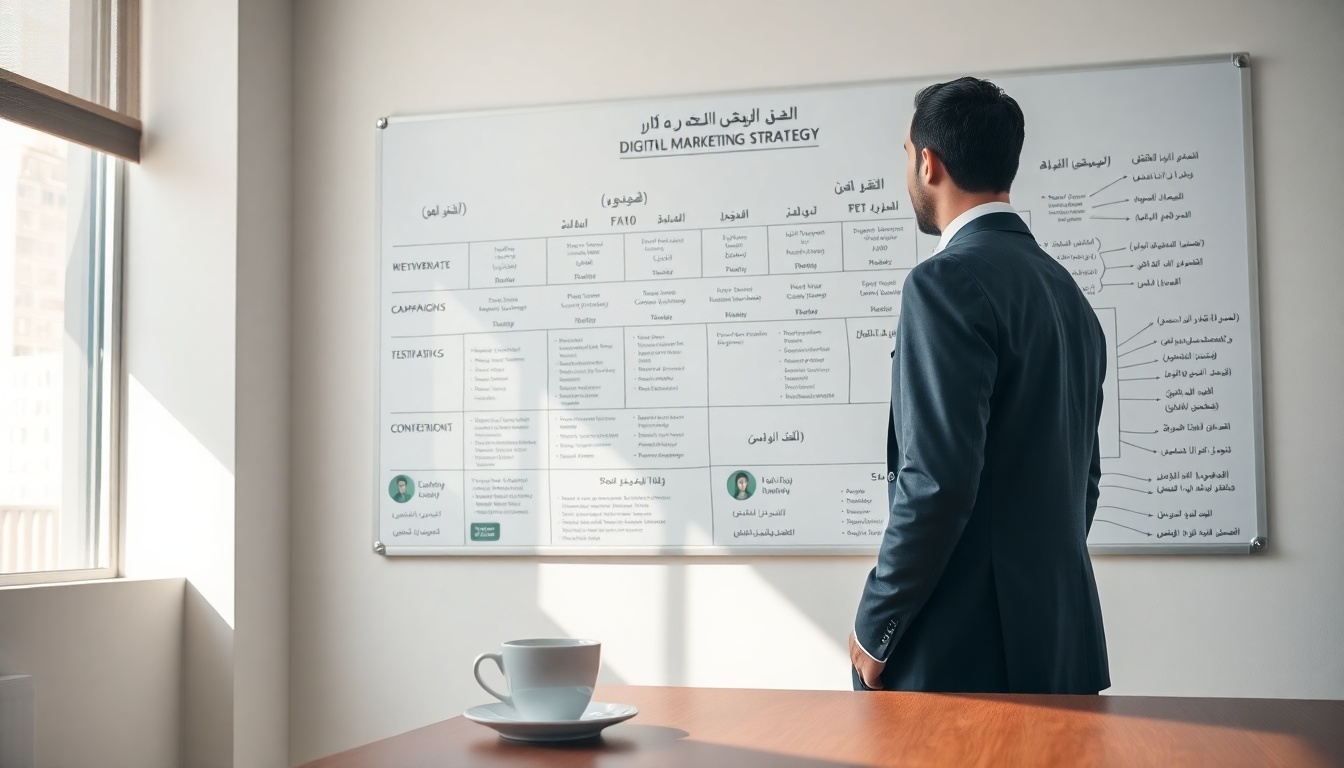
The Kingdom’s Digital Gold Rush
Every business leader in Saudi Arabia today is told they need digital marketing services. The pressure is immense, fueled by Vision 2030’s transformative energy and a young, hyper-connected population. But here’s the raw truth most agencies won’t tell you: simply having a website and running Facebook ads is a fast track to burning capital.
The market is flooded with promises of viral fame and instant leads. Yet, I see the same pattern repeated: significant investment with disappointing, unmeasurable returns. This isn’t a failure of technology, but a fundamental failure of strategy and cultural understanding.
Success in the Saudi digital landscape isn’t about chasing the latest global trend. It’s about a disciplined, localized approach that respects the unique consumer journey here. This guide cuts through the noise to show you what actually works.
Why Most Digital Marketing in Saudi Arabia Fails
The primary reason for failure is a cookie-cutter strategy. Agencies import tactics from Europe or Southeast Asia without adaptation. They ignore the profound importance of cultural nuance, local search habits (like heavy use of Arabic keywords on Google), and trusted platforms like WhatsApp for Business.
Another critical error is the obsession with vanity metrics. A high number of Instagram likes or website visits means nothing if they don’t convert into qualified leads or sales. There’s a lack of proper tracking and attribution, making it impossible to know what’s truly driving revenue.
Finally, there’s a disconnect between brand messaging and local values. Humor, imagery, and value propositions that work elsewhere can fall flat or even cause offense. Success requires a deep, empathetic understanding of the Saudi consumer’s identity and aspirations.
I recently consulted for a high-end furniture brand in Jeddah. They had spent a fortune on beautiful, cinematic ads targeting a broad “affluent” audience. The engagement was high, but sales were zero. We dug into the data and found their real customers were interior designers and large family buyers, not end-consumers scrolling Instagram. They were speaking the wrong language to the wrong people on the wrong platform. We pivoted to a LinkedIn and targeted email strategy, showcasing bulk order portfolios and designer collaborations. Within a quarter, their lead quality transformed.
The Pragmatic 5-Pillar Strategy for Saudi Success
Forget flashy, one-off campaigns. Sustainable growth is built on a solid foundation. Here is your actionable framework.
Pillar 1: Hyper-Localized SEO & Content
Google Saudi Arabia is your most valuable real estate. This goes beyond translating English content. You need dedicated Arabic SEO, targeting local dialect keywords and questions. Create content that addresses Saudi-specific pain points, celebrates local festivals, and references regional landmarks.
Optimize for “near me” searches with impeccable Google Business Profile management. Listings must be complete in Arabic and English, with genuine photos and prompt responses to reviews. This builds immediate local trust.
Pillar 2: Social Commerce Mastery
Platforms like Snapchat and TikTok aren’t just for entertainment; they are powerful discovery engines. Instagram Shopping and Facebook Marketplace are huge. Your strategy must seamlessly blend inspiration, social proof (like user-generated content), and frictionless purchasing.
Influencer partnerships are non-negotiable, but choose nano and micro-influencers with highly engaged, niche audiences over celebrities. Authenticity and relevance trump reach every time in this market.
Pillar 3: WhatsApp-First Customer Journey
Formalize WhatsApp Business as a core channel. Use it for customer service, appointment booking, post-purchase follow-up, and even curated broadcasts for VIP clients. It’s where your customers already are, expecting personal and immediate communication.
Integrate click-to-WhatsApp ads on Meta platforms. This shortens the path from interest to conversation dramatically, leveraging the platform’s inherent trust.
Pillar 4: Data-Driven Paid Advertising
Move beyond basic targeting. Use first-party data from your website and CRM to create lookalike audiences. Employ detailed geographic targeting down to city districts in Riyadh, Jeddah, and Dammam.
All campaigns must be built with conversion tracking from day one. Every Riyal spent should be traceable to a specific outcome—a lead, a call, or a sale. This eliminates guesswork and waste.
Pillar 5: Omnichannel Experience
The line between online and offline is blurred. Your digital presence must support physical locations. Use location-based offers, promote in-store events online, and ensure online inventory reflects real-time stock.
Ensure brand voice, visuals, and offers are consistent from your TikTok video to your email newsletter to your in-store signage. A fragmented experience breaks trust.
“In Saudi Arabia, digital marketing isn’t about broadcasting a message. It’s about initiating a culturally-relevant conversation and being present on the platforms where trust is built, one personal interaction at a time. Technology is the tool, but human understanding is the engine.”
— Abdul Vasi, Digital Strategist
Amateur vs. Pro: Choosing Your Service Partner
| Aspect | The Amateur Agency | The Professional Partner |
|---|---|---|
| Strategy Foundation | Offers pre-packaged “solutions.” Focuses on platforms first. | Begins with deep business & audience analysis. Goals drive platform choice. |
| Cultural Approach | Uses surface-level translation. Applies global templates. | Has in-market expertise. Content is created *for* Saudi users, not just translated. |
| Reporting & Transparency | Shows vanity metrics (likes, shares). Opaque about what drives real value. | Provides clear ROI dashboards. Tracks cost-per-lead, customer lifetime value, and revenue attribution. |
| Adaptability | Rigid monthly plans. Slow to respond to data or market shifts. | Agile, test-and-learn approach. Constantly optimizes based on performance data. |
| Technology & Integration | Uses basic, disjointed tools. Data lives in silos. | Leverages integrated martech stacks. Connects advertising data to CRM and sales outcomes. |
FAQs: Digital Marketing Services in Saudi Arabia
1. What is the most important platform for B2B marketing in Saudi?
While LinkedIn is essential, a combined strategy using LinkedIn for brand authority and targeted WhatsApp for direct, personal outreach is incredibly powerful. Don’t neglect niche industry forums and events.
2. Is Arabic-language content really mandatory?
For mass market appeal, absolutely. Even for luxury brands, a hybrid approach (premium English content with full Arabic support) is wise. For government and large corporate tenders, flawless Arabic is non-negotiable.
3. How do we measure the true ROI of our digital spend?
Move beyond website traffic. Track metrics that tie to business goals: Cost per Qualified Lead, Lead-to-Customer Conversion Rate, and Customer Acquisition Cost (CAC) versus Lifetime Value (LTV). Proper tracking pixels and UTM parameters are essential.
4. Are influencer marketing regulations strict?
Yes, the Saudi Commercial Advertising Regulations are clear. All paid promotions must be disclosed with explicit tags like “إعلان مدفوع” (Paid Ad). Working with a professional partner ensures full compliance and protects your brand.
5. How long does it take to see results?
Paid advertising can drive leads in weeks. SEO and organic brand building are long-term plays, typically showing significant traction in 6-9 months. A professional strategy will balance both for immediate and sustainable growth.
The Bottom Line: It’s a Marathon, Not a Sprint
Navigating digital marketing services in Saudi Arabia requires patience, precision, and partnership. The market rewards those who invest in genuine understanding over quick tricks. It’s about building a digital ecosystem that resonates locally and performs globally.
The opportunity has never been greater. With a young, tech-savvy population and a nation racing towards an ambitious future, the businesses that win will be those that connect authentically. They will use data as their compass and culture as their guide.
Stop looking for a vendor to execute tasks. Start looking for a strategic partner who can navigate this complex, rewarding landscape with you. Your digital presence should be a cornerstone of your growth, not a cost center.
